
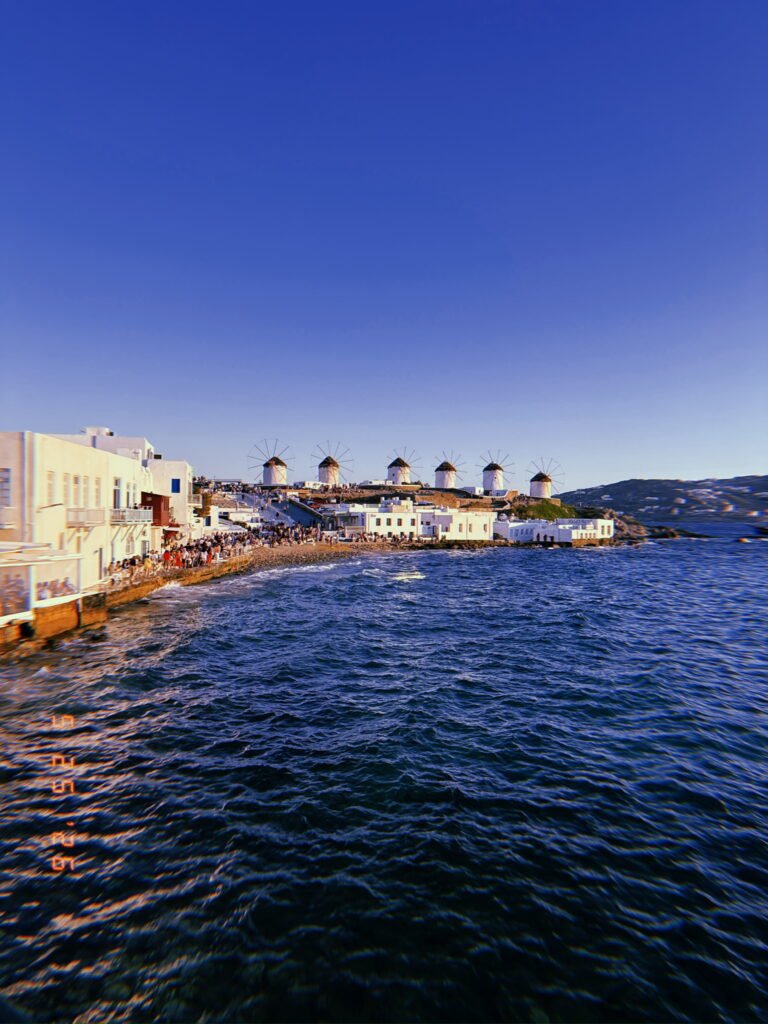
Mykonos Blue
‹ › The first thing I noticed was the way the light moved across the room. It did not arrive all at once. It came slowly, brushing against the edges of the walls, touching the…
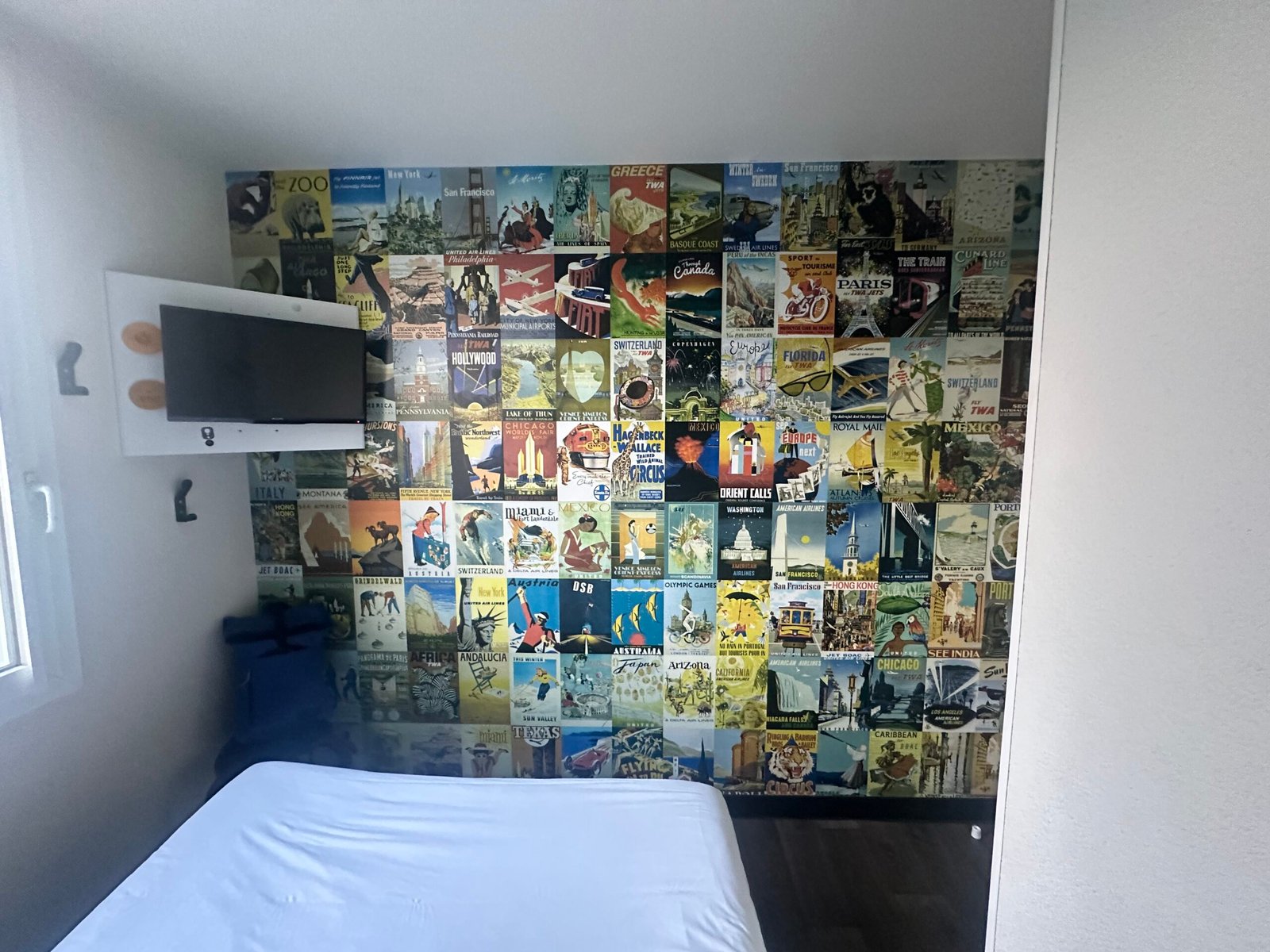
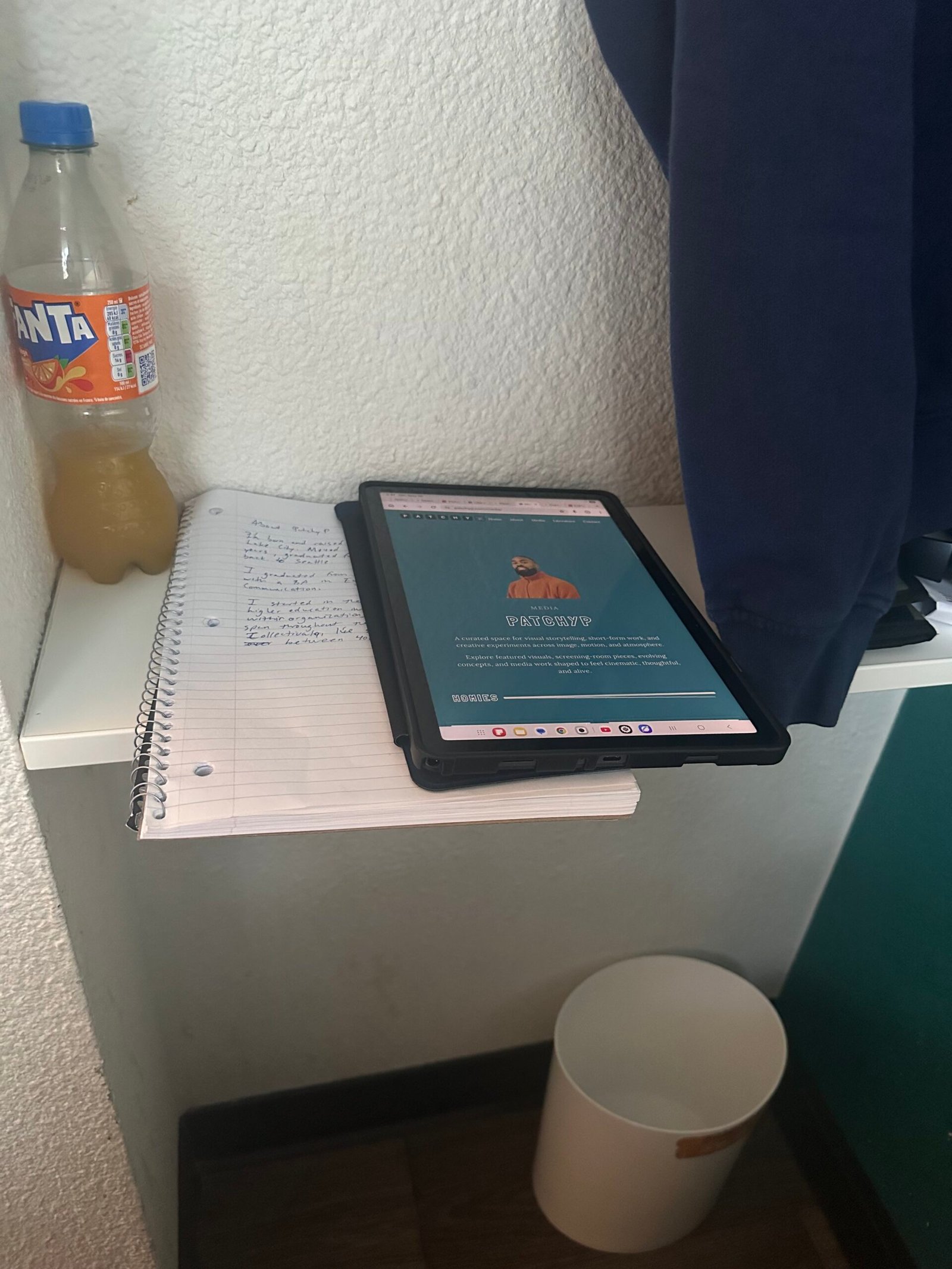
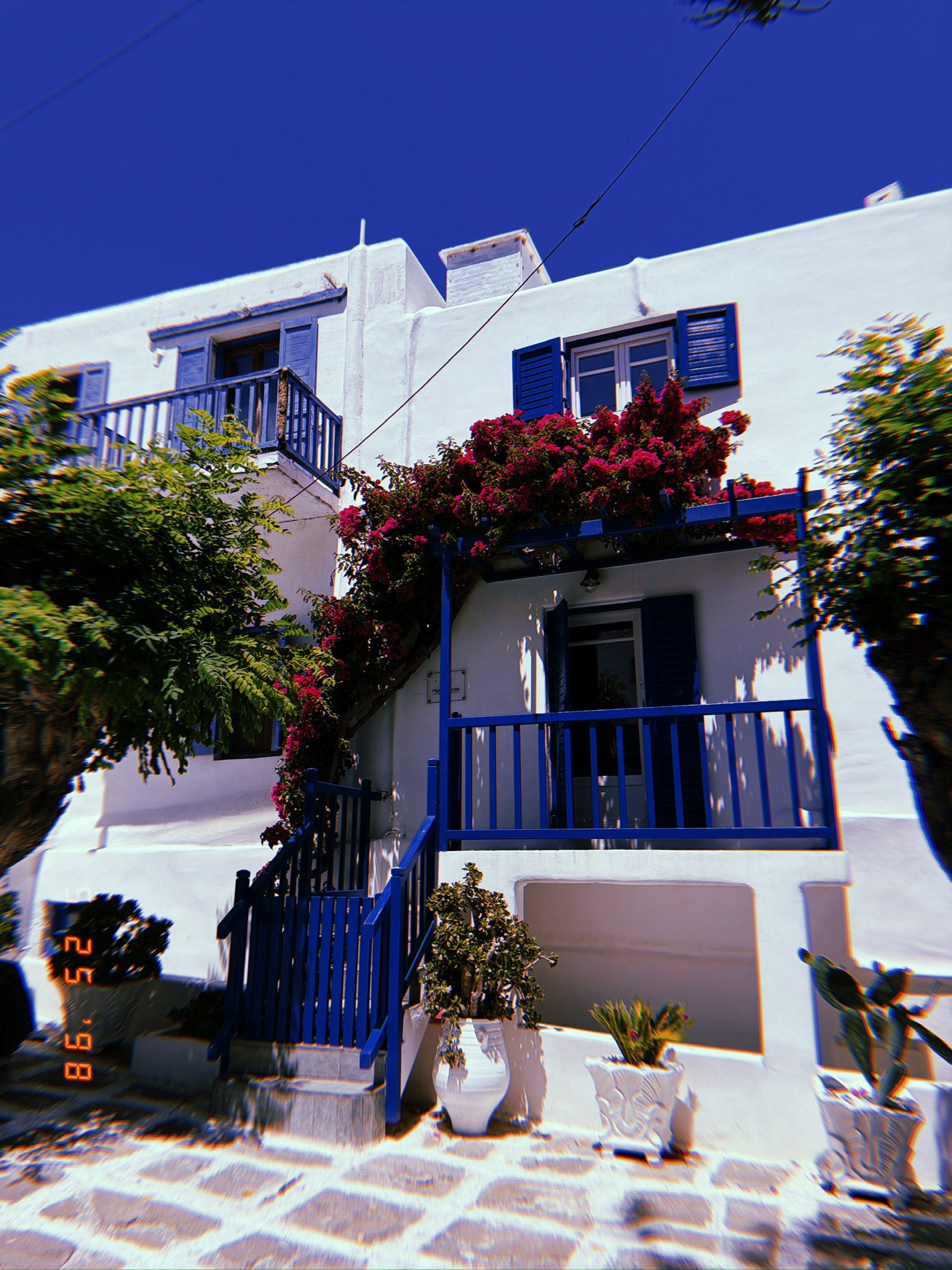
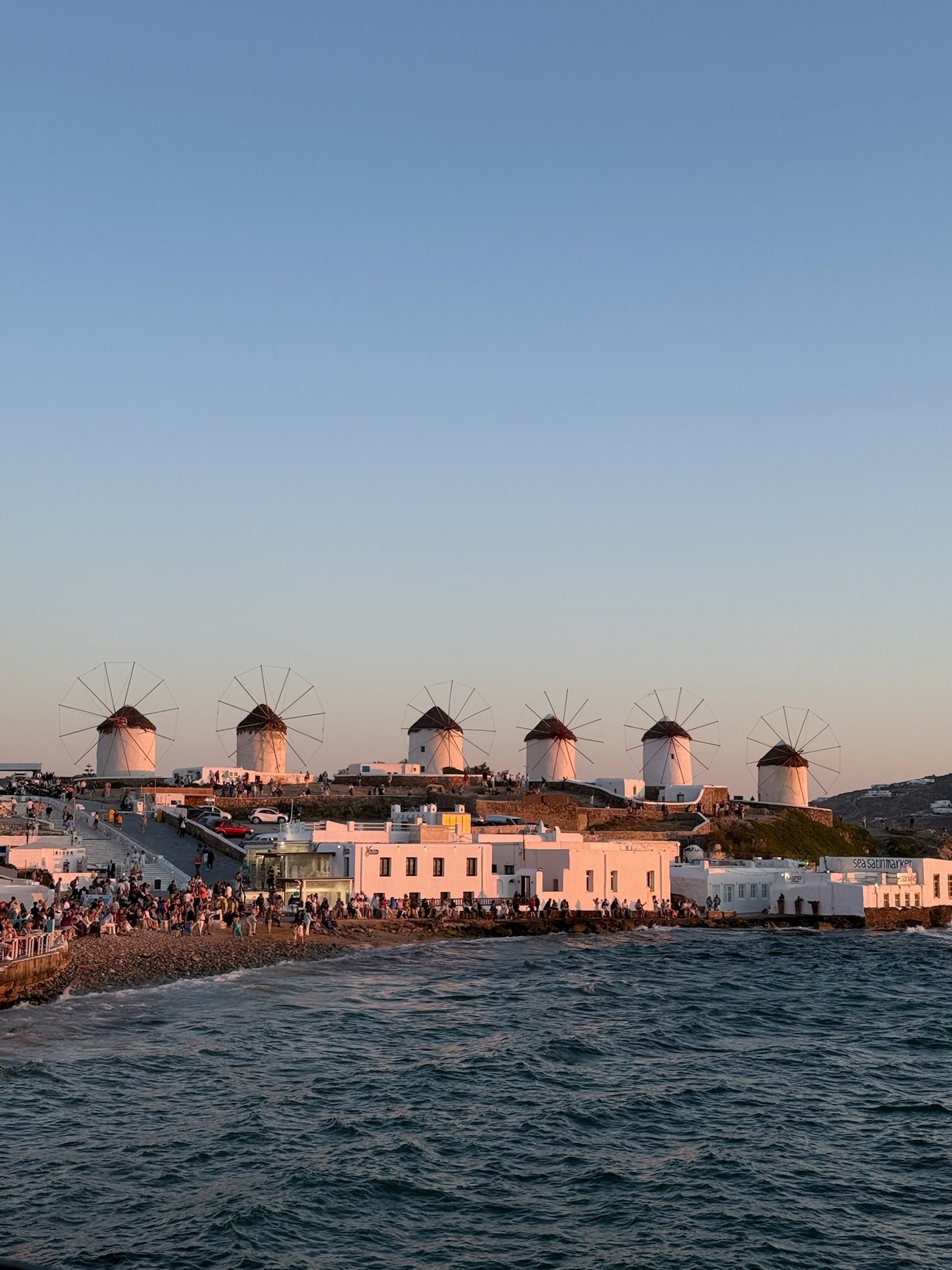
The first thing I noticed was the way the light moved across the room. It did not arrive all at once. It came slowly, brushing against the edges of the walls, touching the corners of the photographs, then settling over everything like it had been invited.
The room felt familiar, but not fixed. It carried pieces of the past, small reminders of people, places, conversations, and unfinished thoughts that still seemed to be hanging in the air. Every object seemed to have its own quiet pulse.
Outside, the street was moving in its usual way. Cars passed without apology. People walked with bags, headphones, phones, and thoughts they would probably never say out loud. Somewhere nearby, a door closed. Somewhere else, someone laughed.
I thought about how many moments pass before we understand what they meant. At the time, everything feels ordinary. A walk down a familiar block. A conversation that lasts a few minutes longer than expected. A photograph taken without much intention.
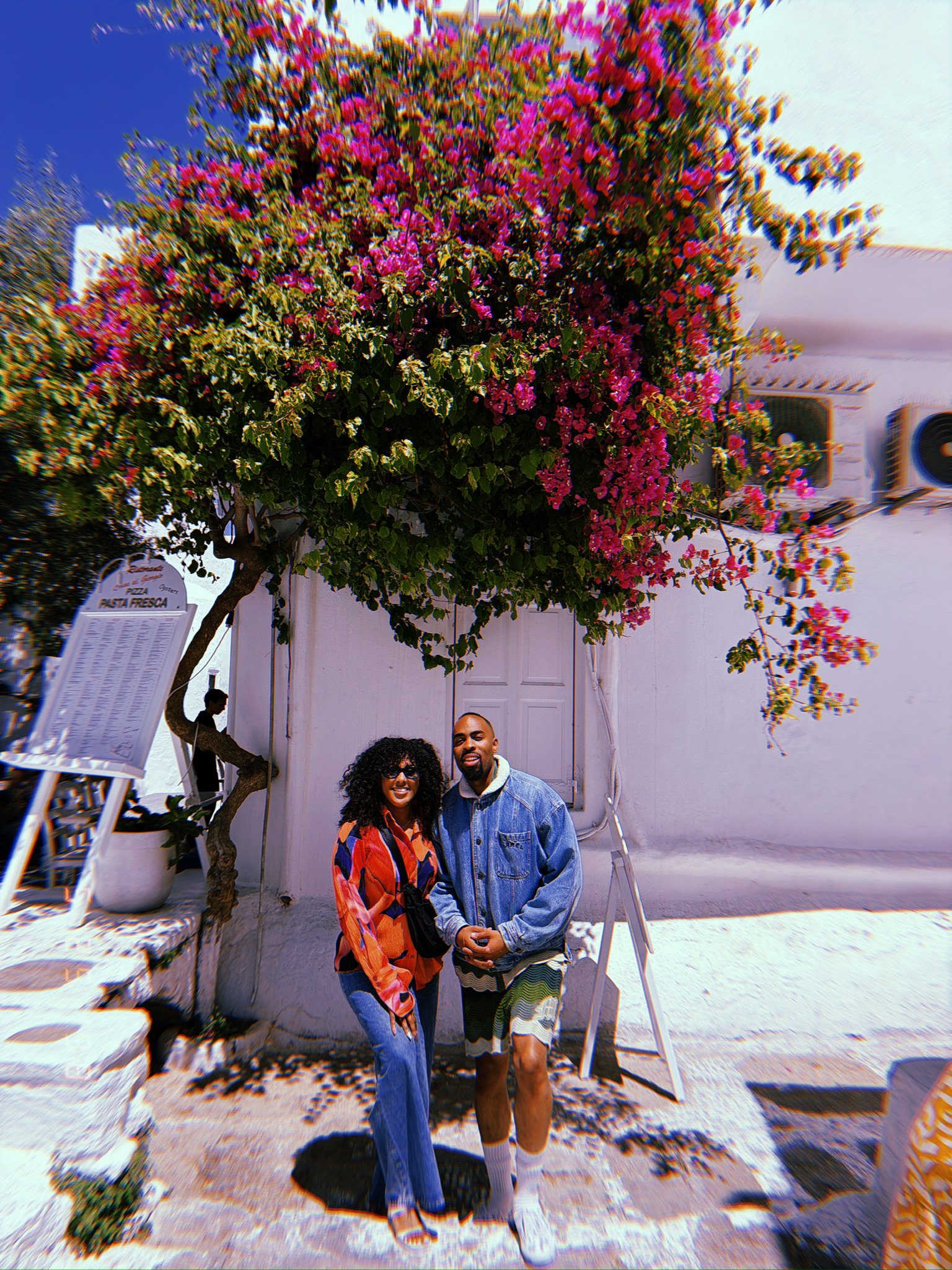
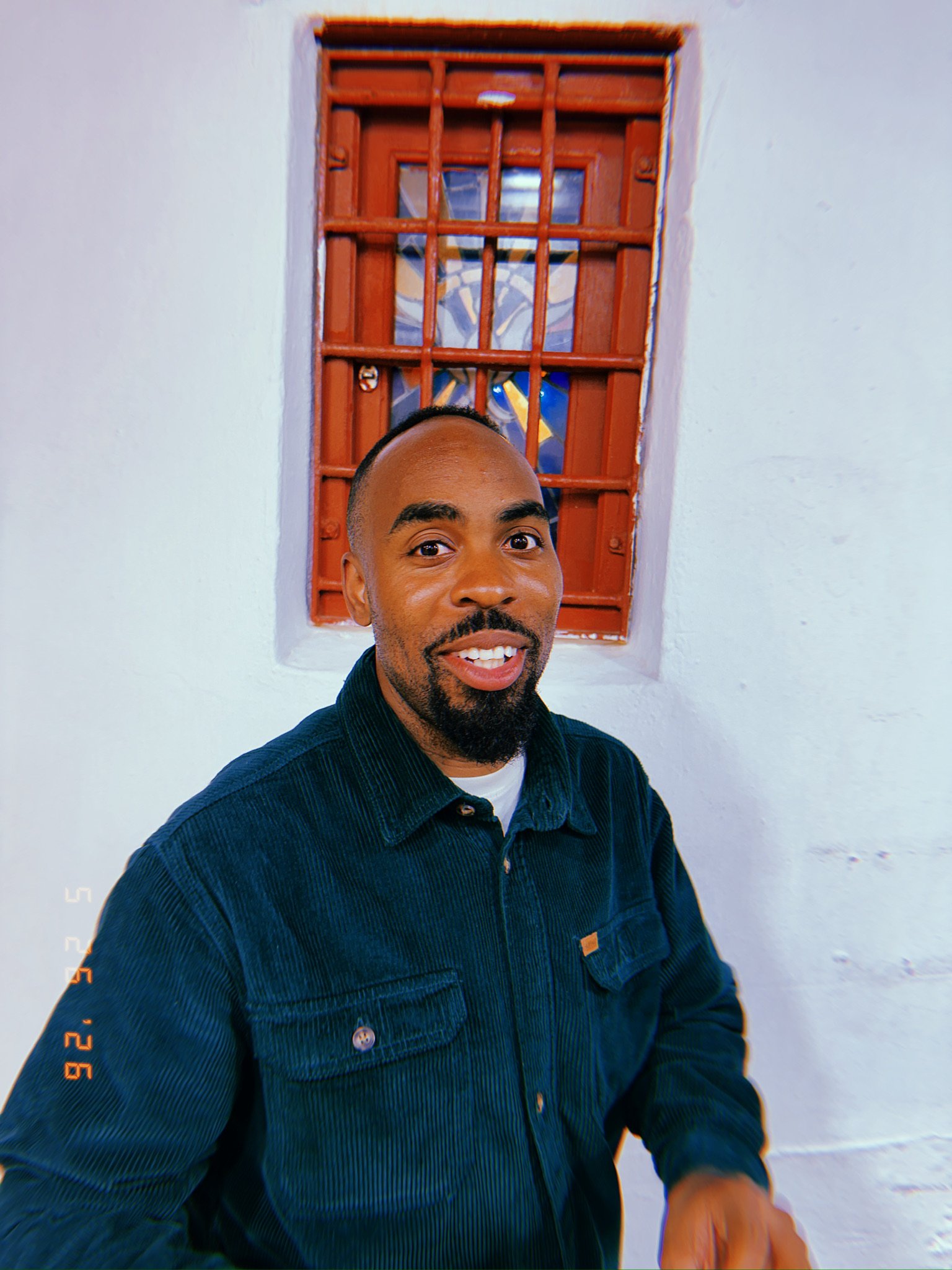
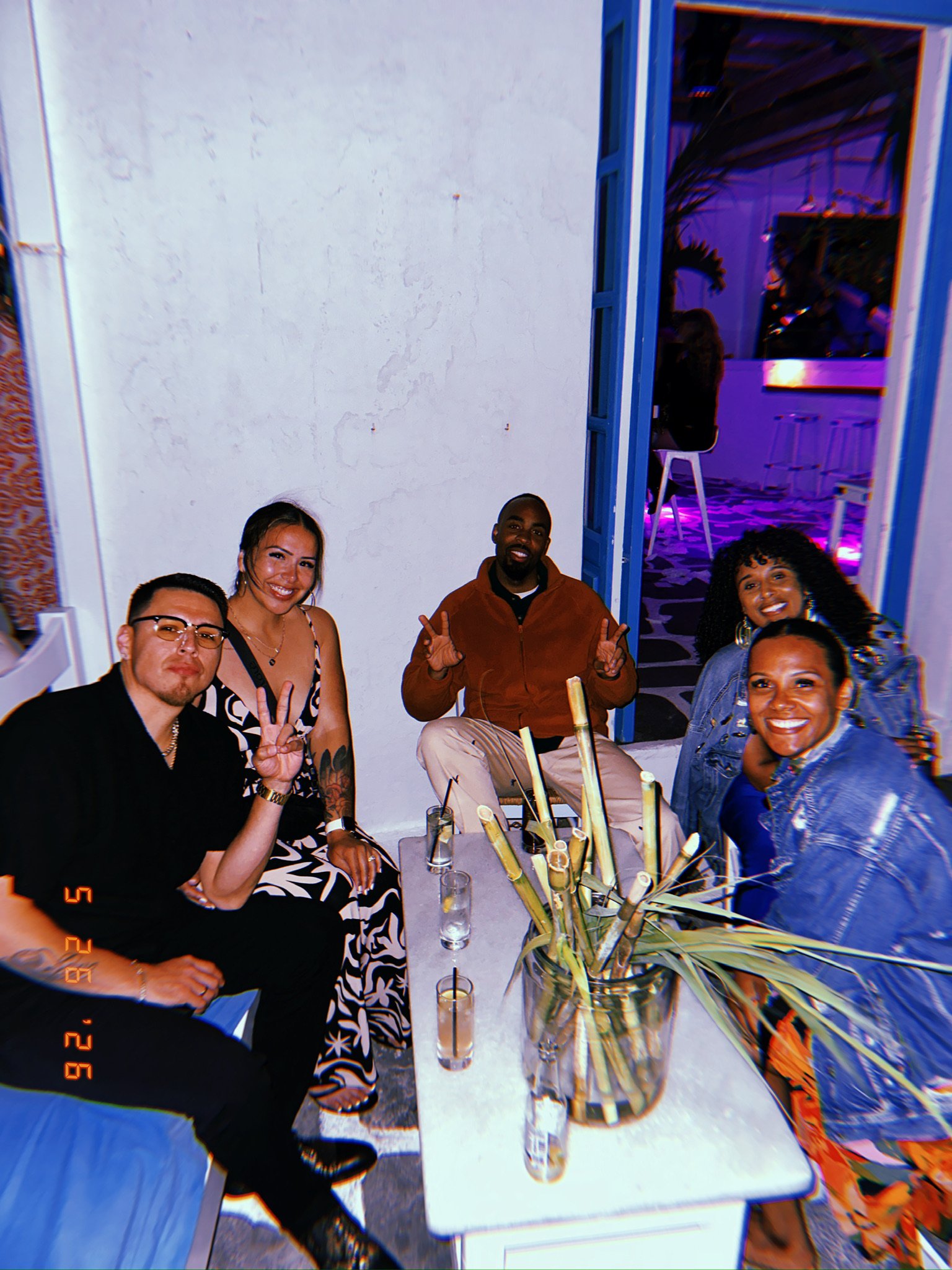
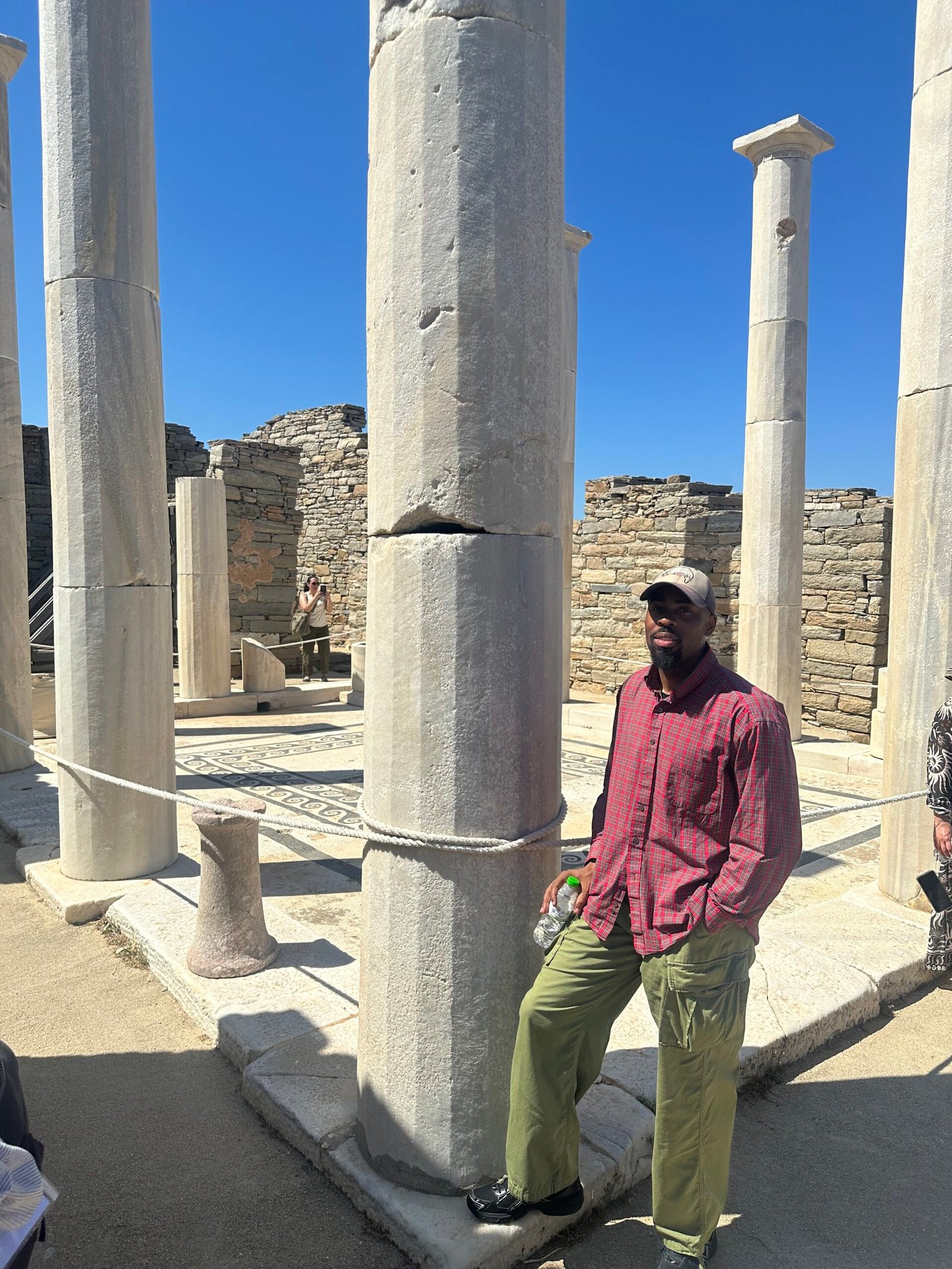
The photographs carried that feeling. Each one held a version of time that could no longer move forward. Faces, rooms, streets, gestures, skies, corners, colors. Some images felt loud, even without sound. Others seemed almost private.
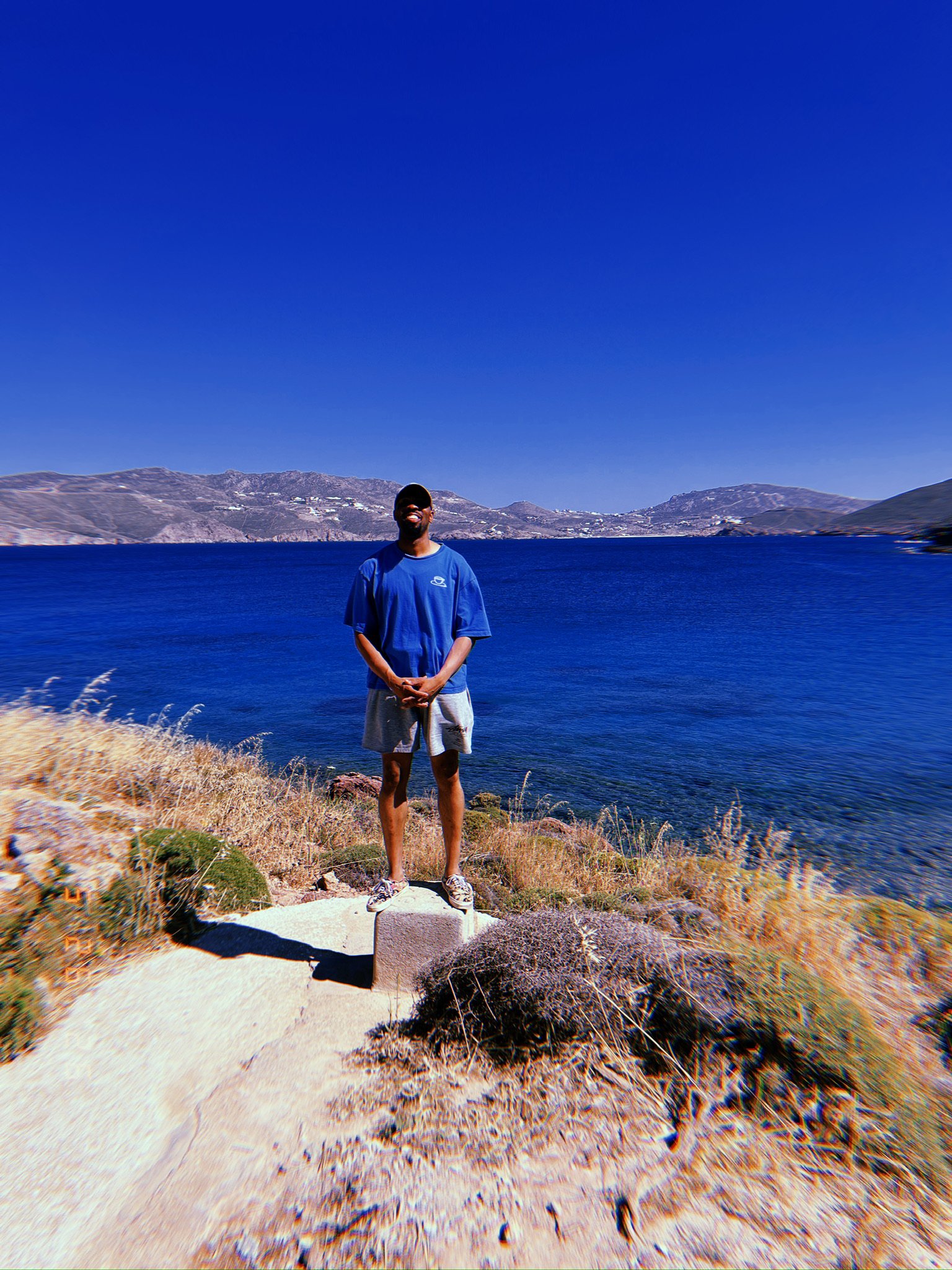
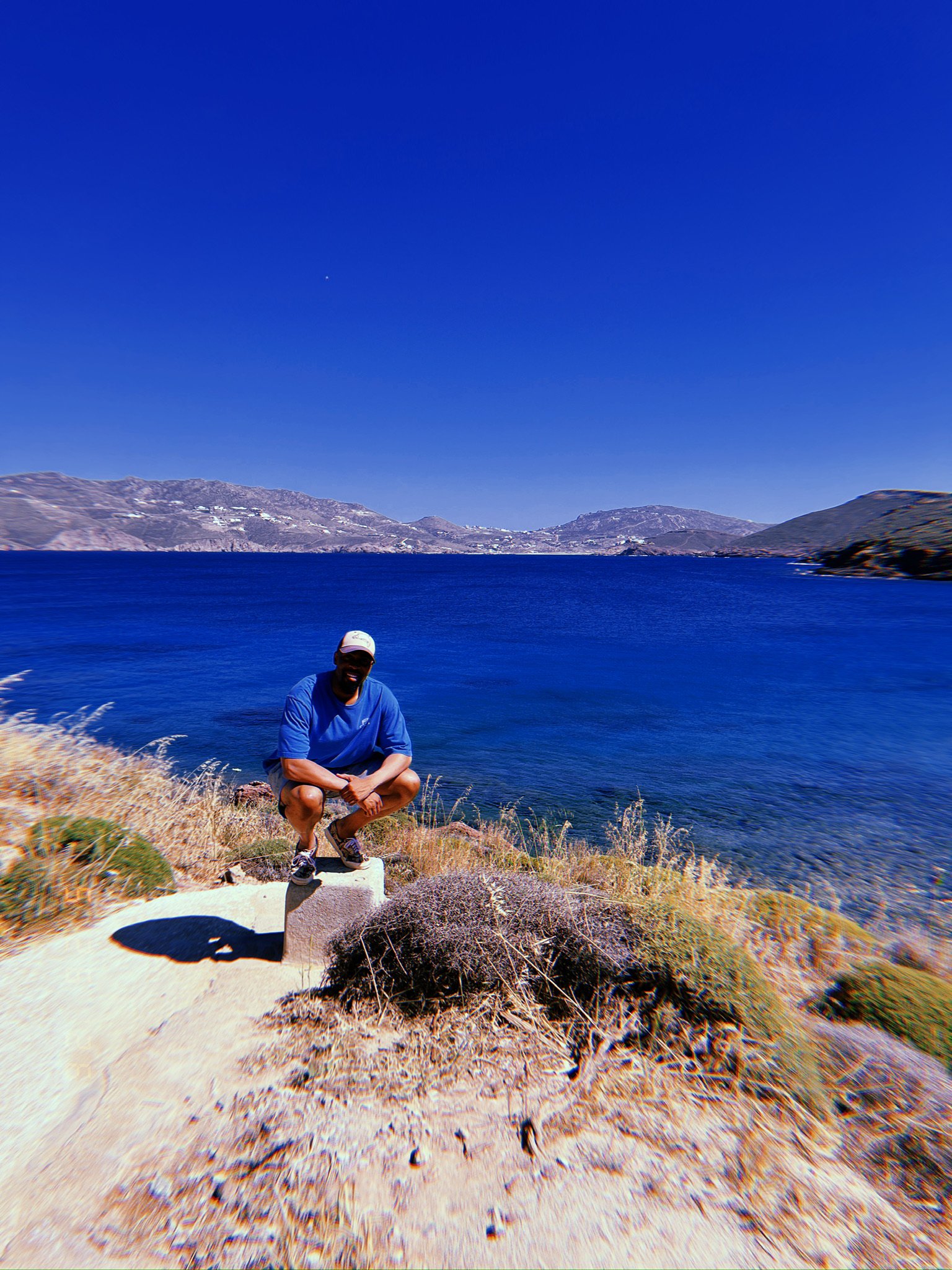
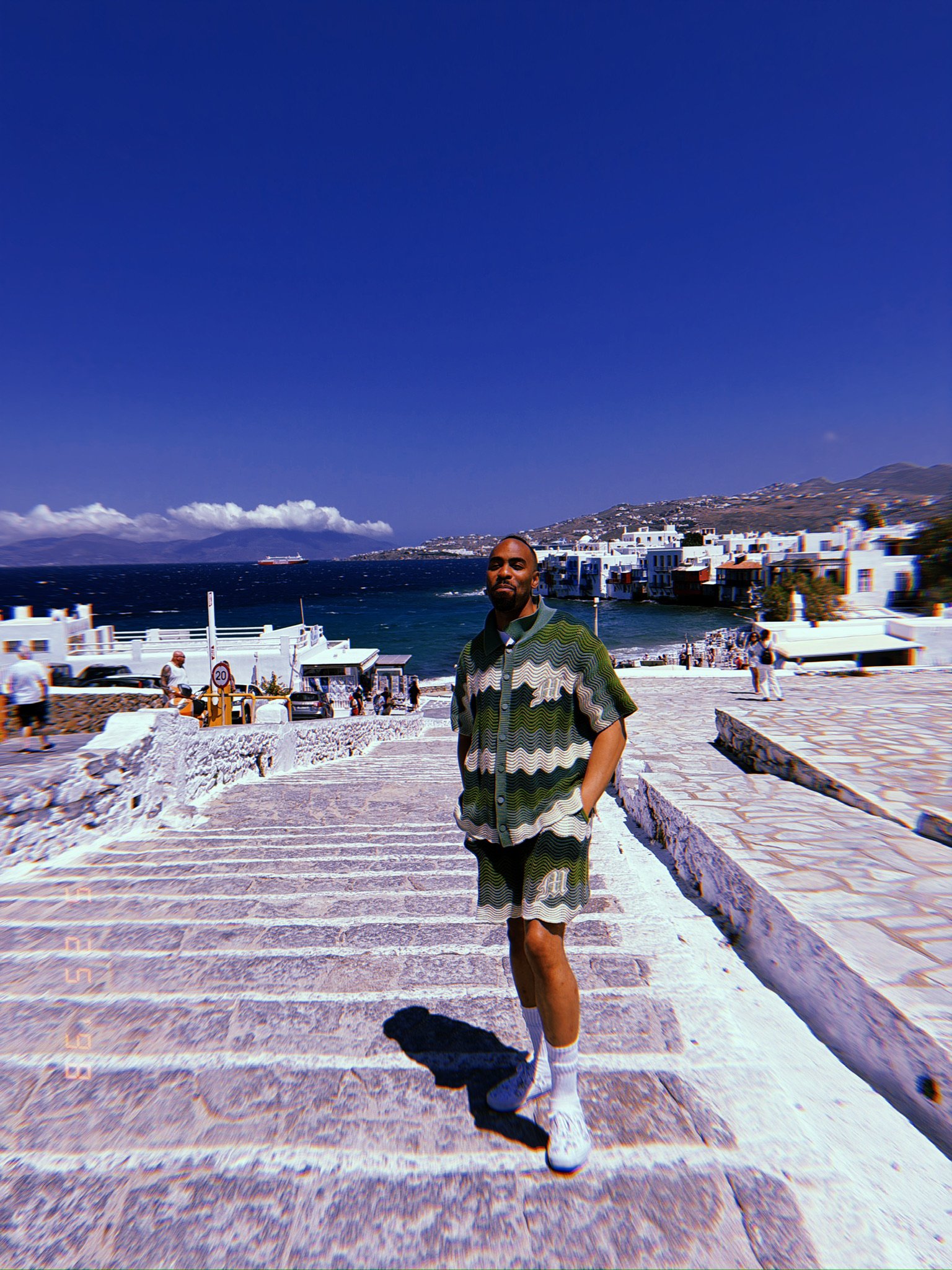
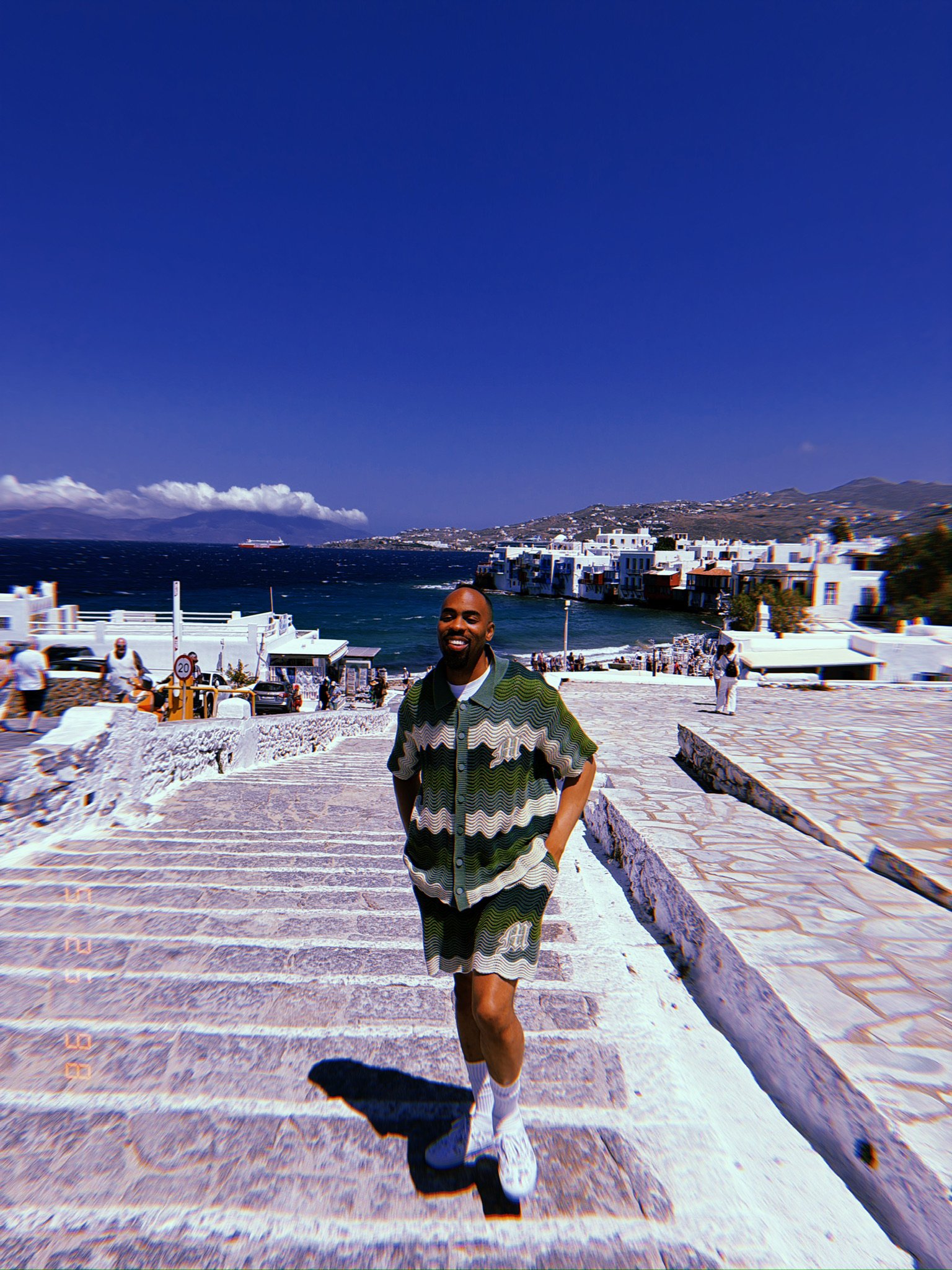
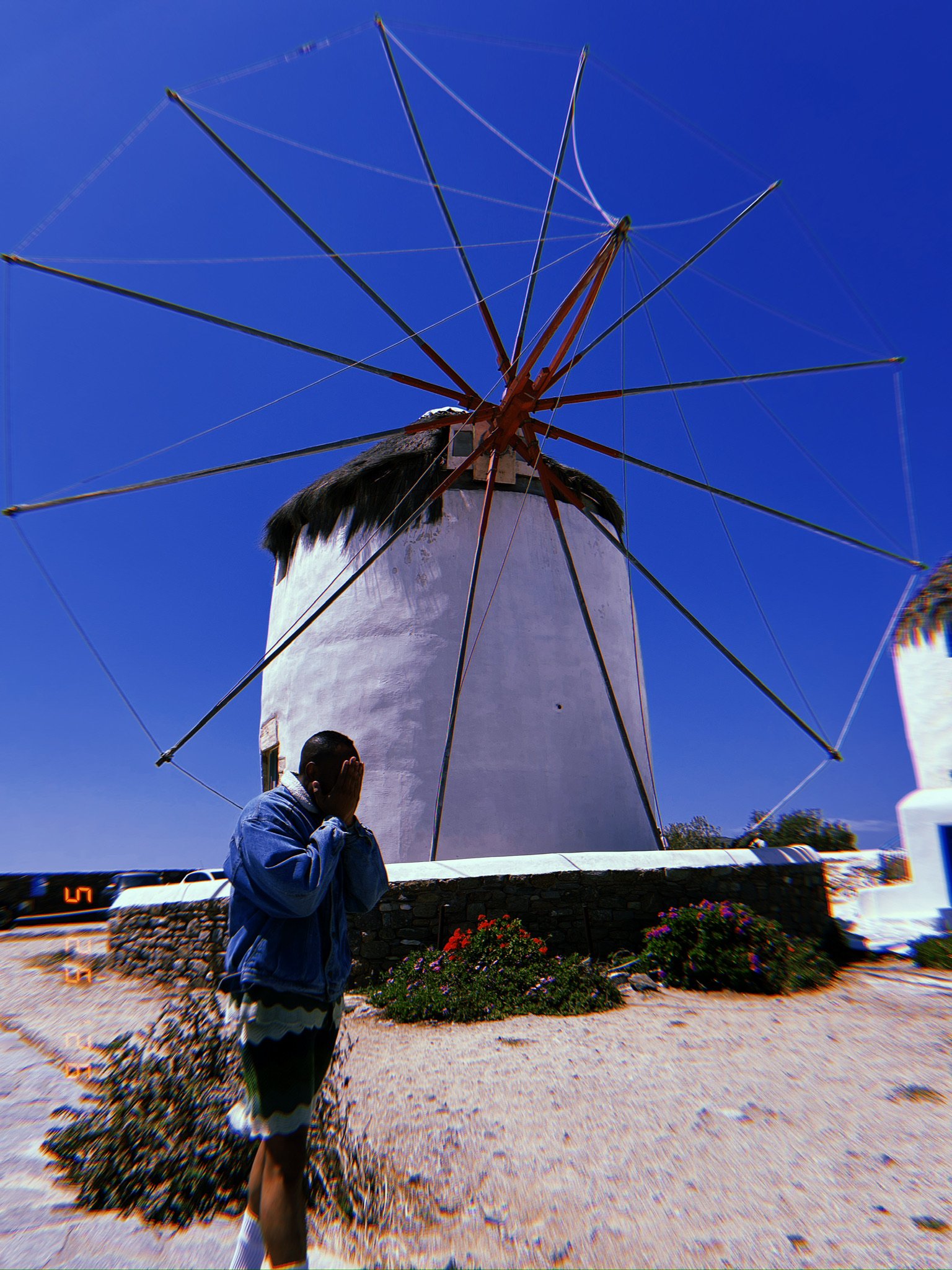
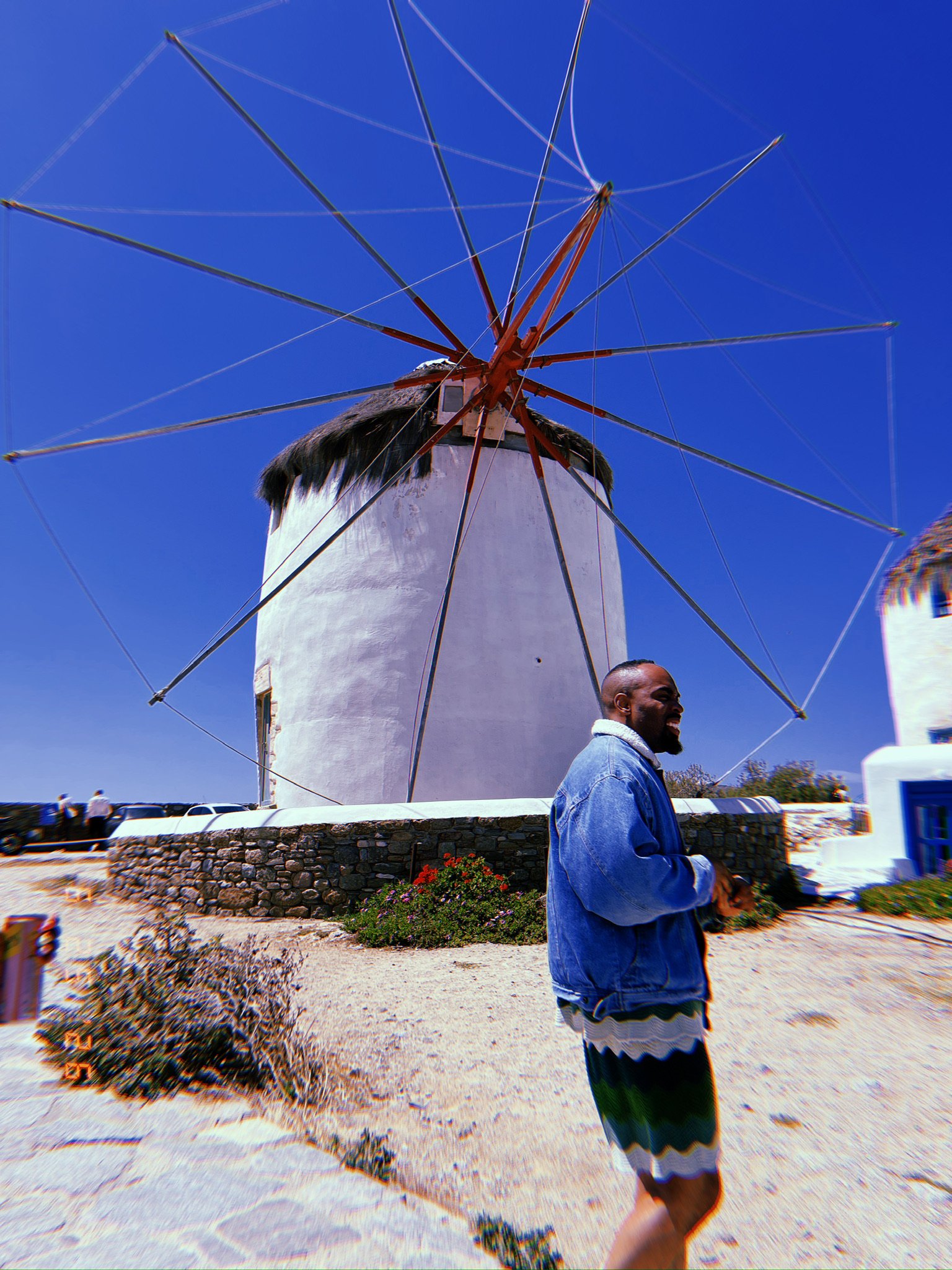
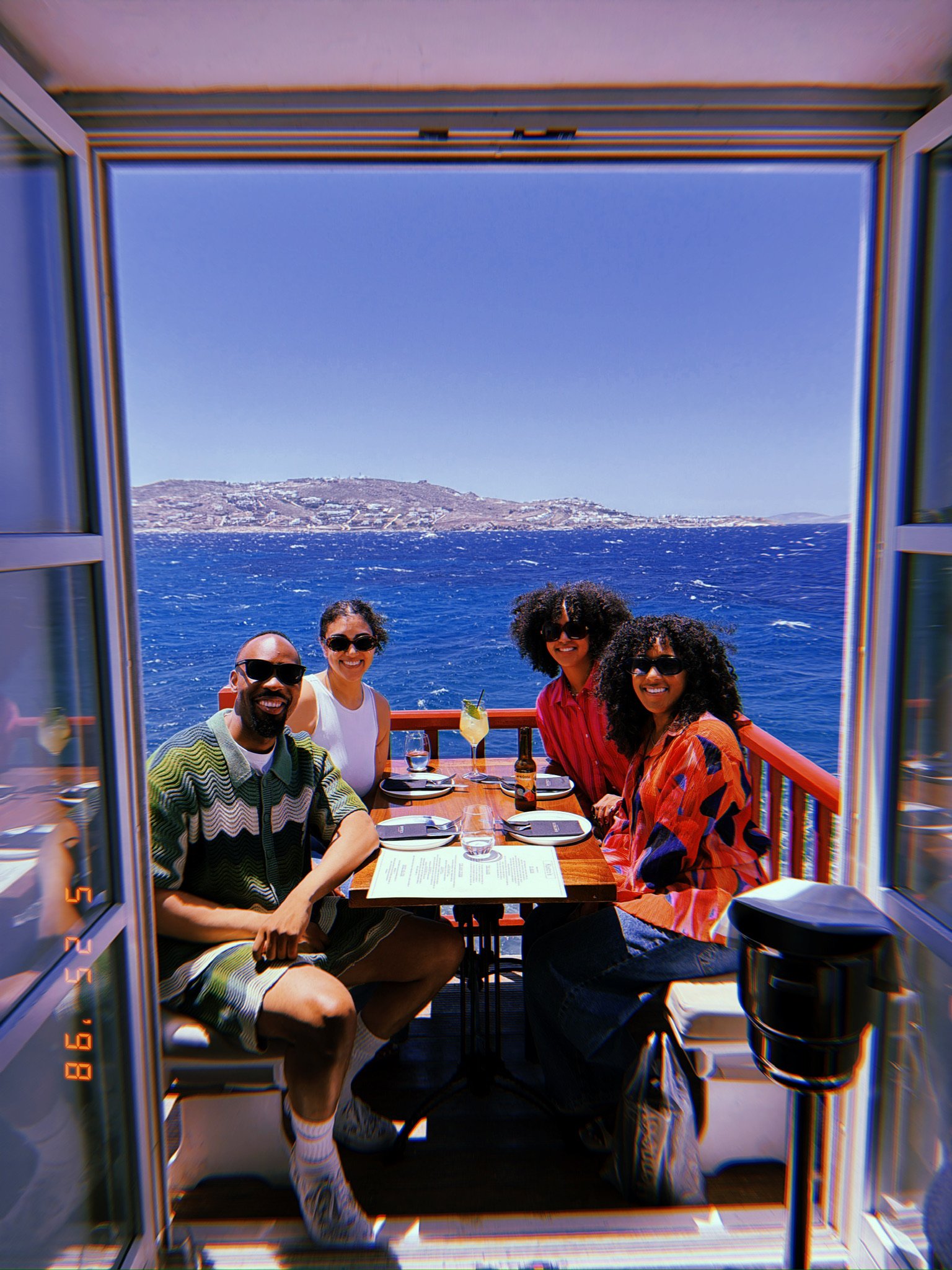
The more I looked, the more the room seemed to open. The slider became less like a collection of photos and more like a sequence of small windows. Each image gave the text something to move around, something to respond to.
There is something honest about that kind of layout. Life rarely arrives in straight lines. It wraps. It bends. It makes room for interruptions. A thought begins, then an image appears. A memory opens, then another one steps in front of it.
Maybe that is the point. Not to explain everything, but to create enough atmosphere for the viewer to enter. A page can be a hallway, a room, a window, a pause. It can hold movement without rushing it.
After the final frame settles, the page begins to feel like a second room. The videos bring movement back into the space, but they do not rush the story forward. They offer another rhythm, one built from gestures, small pauses, background sound, and the kind of visual details that can only be understood when they are allowed to unfold in real time. A photograph can hold a moment still, but video lets the moment breathe. It gives the viewer the chance to notice how someone turns, how the light changes, how the scene carries its own quiet weather.
I think about that difference often. Some memories arrive like images, sharp and complete. Others arrive like clips, a few seconds of motion attached to a feeling I cannot fully explain. A walk across a room. A hand reaching toward a door. A voice caught between laughter and seriousness. The camera does not need to explain why the moment matters. It only needs to stay present long enough for the viewer to recognize that something human is happening inside the frame.
That is what makes a gallery feel alive. The images give the page texture, but the videos give it pulse. Together, they build a fuller kind of memory, one that moves between stillness and motion, between what can be studied and what has to be experienced. The viewer is not simply scrolling through material. They are moving through a sequence of invitations. Each piece asks for a slightly different kind of attention, and each one changes the feeling of the text around it.
Beneath the video, the words return with a little more space around them. They no longer have to introduce the scene. They can reflect on it. They can slow down and gather what the visual material has already suggested. Maybe the real subject is not the room, the street, the people, or the landscape. Maybe the subject is attention itself: the choice to look again, to pause where others might pass quickly, to give ordinary moments the dignity of being remembered.
By the end, nothing needs to be fully resolved. The page can remain open. The photographs can keep their silence. The videos can hold their motion. The text can continue making room for what is visible and what is felt. What matters is the atmosphere created between them, the sense that every image and every sentence belongs to a larger pattern. It is not about explaining the whole story. It is about creating enough presence for the story to keep living after the viewer leaves.
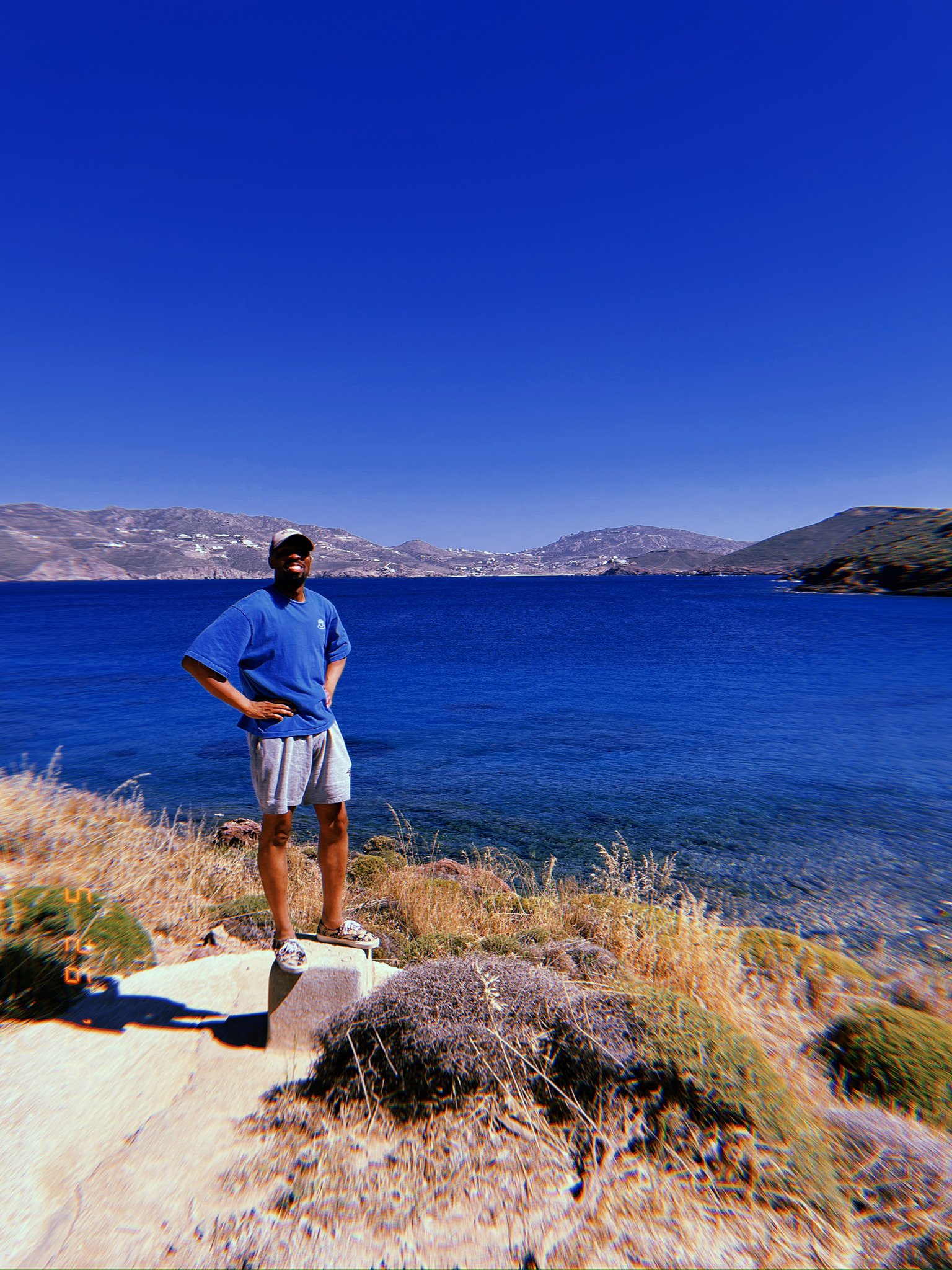
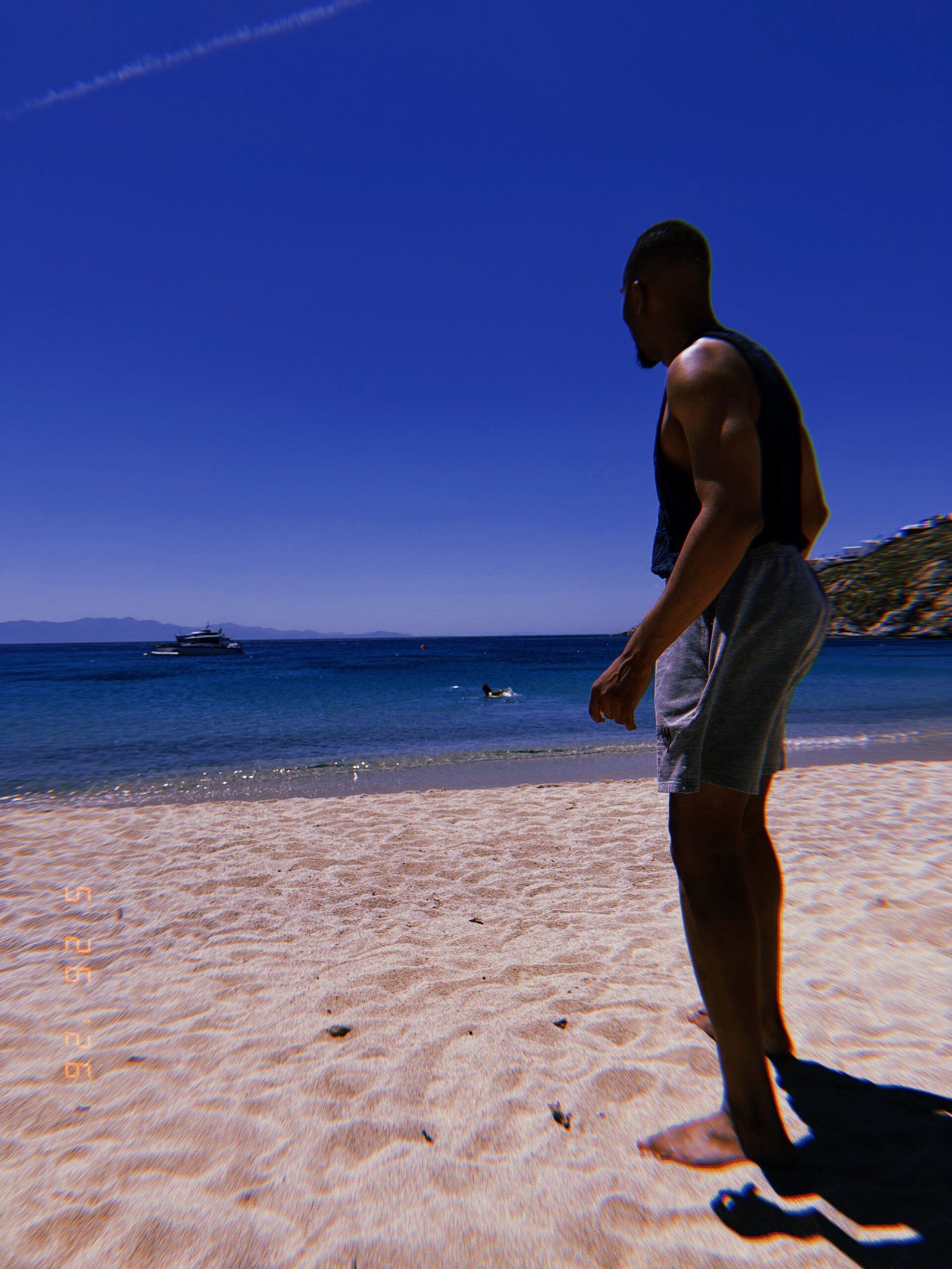
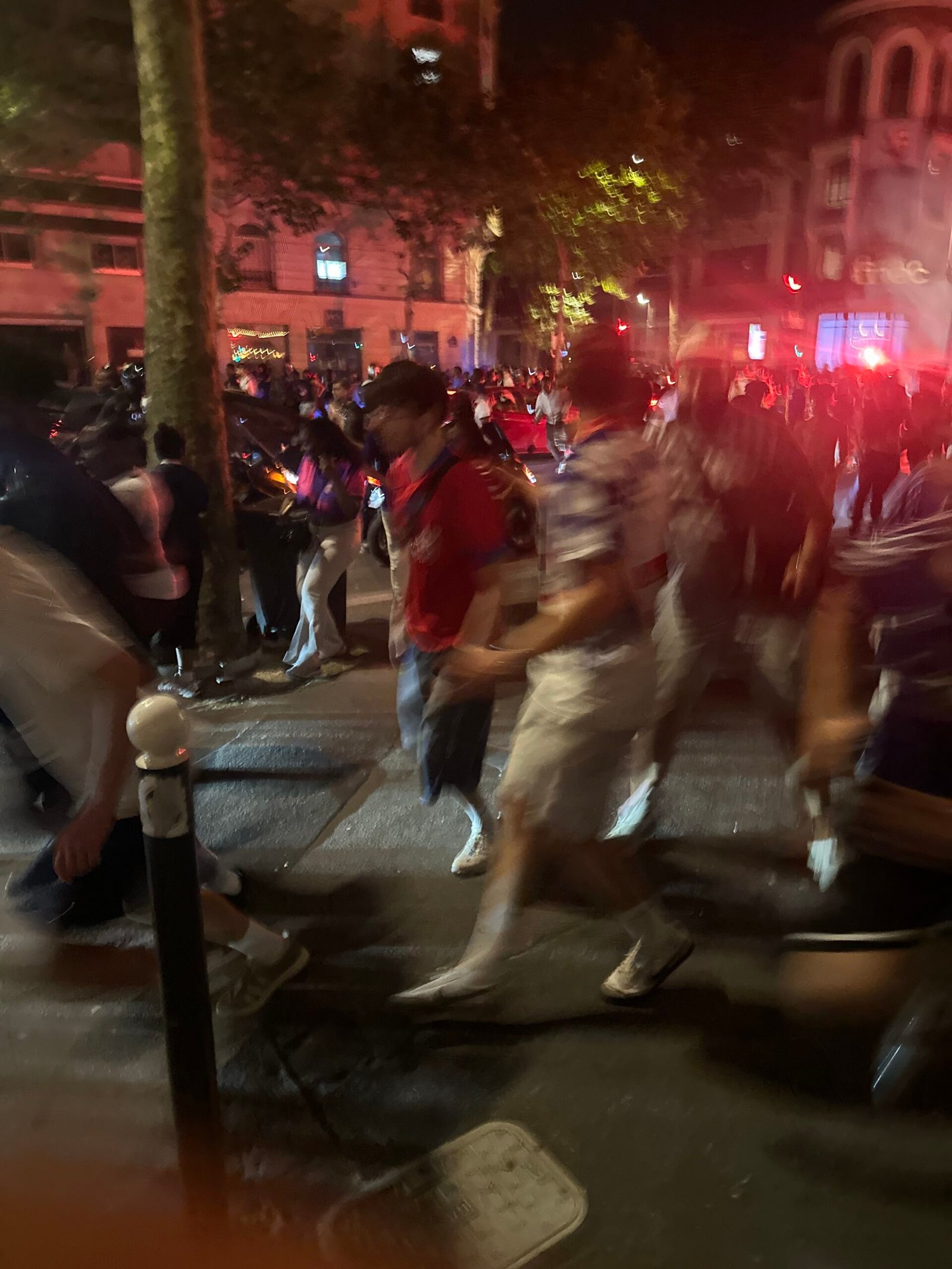
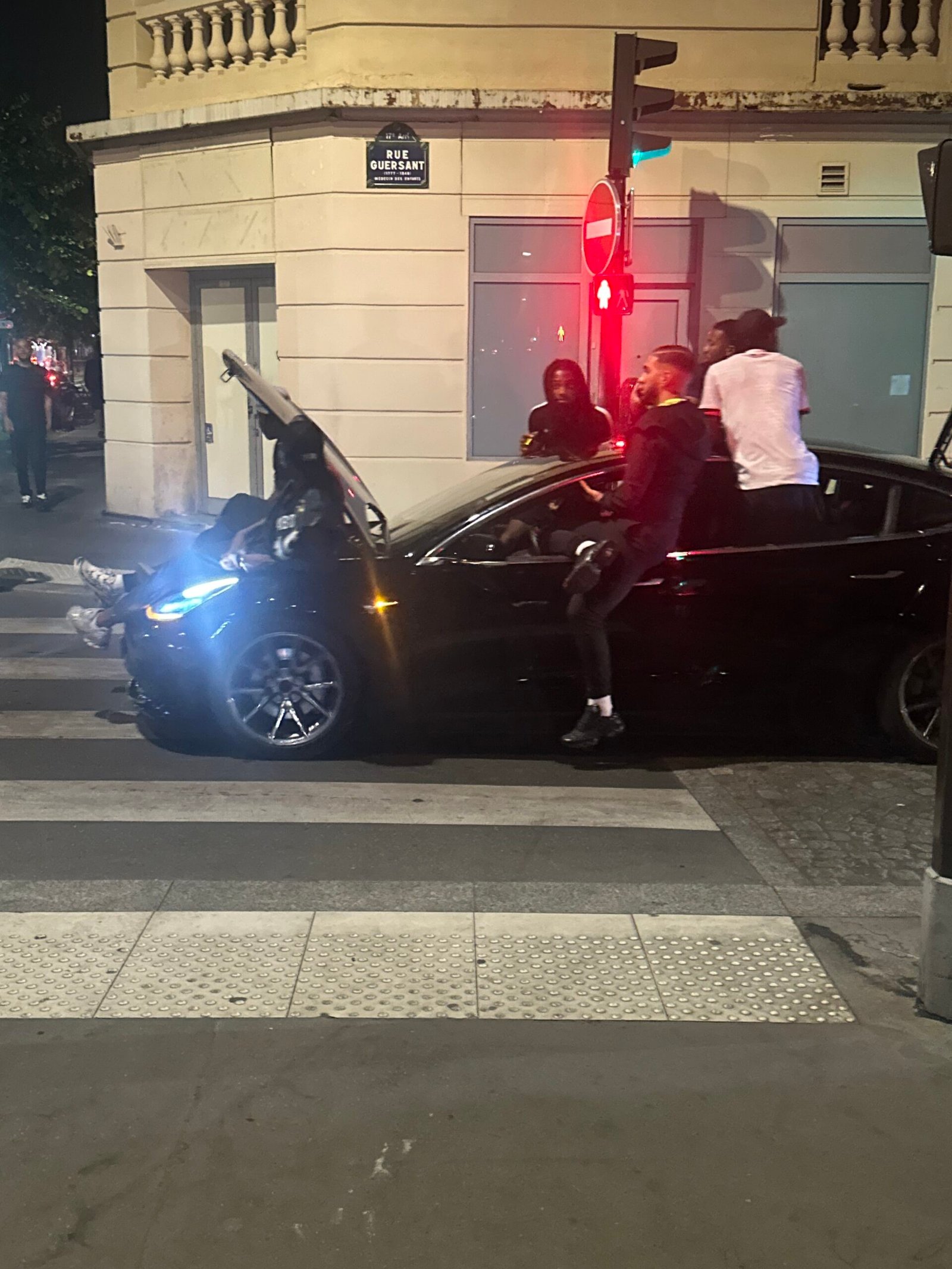
The last arrangement gives the page another turn, pairing still images with moving fragments so the story can breathe in two directions at once. One side holds the quiet evidence of a captured moment, while the other side lets time move forward inside the frame. Together, they create a small conversation between memory and motion. The viewer can pause on a face, a landscape, a color, or a gesture, then shift toward sound, pacing, and atmosphere. What remains is not a final answer, but a layered feeling. The page becomes less about showing everything and more about leaving enough room for attention, reflection, and return.
The first thing I noticed was the way the light moved across the room. It did not arrive all at once. It came slowly, brushing against the edges of the walls, touching the corners of the photographs, then settling over everything like it had been invited.
The room felt familiar, but not fixed. It carried pieces of the past, small reminders of people, places, conversations, and unfinished thoughts that still seemed to be hanging in the air. Every object seemed to have its own quiet pulse.
Outside, the street was moving in its usual way. Cars passed without apology. People walked with bags, headphones, phones, and thoughts they would probably never say out loud. Somewhere nearby, a door closed. Somewhere else, someone laughed.
I thought about how many moments pass before we understand what they meant. At the time, everything feels ordinary. A walk down a familiar block. A conversation that lasts a few minutes longer than expected. A photograph taken without much intention.
The photographs carried that feeling. Each one held a version of time that could no longer move forward. Faces, rooms, streets, gestures, skies, corners, colors. Some images felt loud, even without sound. Others seemed almost private.
The more I looked, the more the room seemed to open. The slider became less like a collection of photos and more like a sequence of small windows. Each image gave the text something to move around, something to respond to.
There is something honest about that kind of layout. Life rarely arrives in straight lines. It wraps. It bends. It makes room for interruptions. A thought begins, then an image appears. A memory opens, then another one steps in front of it.
Maybe that is the point. Not to explain everything, but to create enough atmosphere for the viewer to enter. A page can be a hallway, a room, a window, a pause. It can hold movement without rushing it.
After the final frame settles, the page begins to feel like a second room. The videos bring movement back into the space, but they do not rush the story forward. They offer another rhythm, one built from gestures, small pauses, background sound, and the kind of visual details that can only be understood when they are allowed to unfold in real time. A photograph can hold a moment still, but video lets the moment breathe. It gives the viewer the chance to notice how someone turns, how the light changes, how the scene carries its own quiet weather.
I think about that difference often. Some memories arrive like images, sharp and complete. Others arrive like clips, a few seconds of motion attached to a feeling I cannot fully explain. A walk across a room. A hand reaching toward a door. A voice caught between laughter and seriousness. The camera does not need to explain why the moment matters. It only needs to stay present long enough for the viewer to recognize that something human is happening inside the frame.
That is what makes a gallery feel alive. The images give the page texture, but the videos give it pulse. Together, they build a fuller kind of memory, one that moves between stillness and motion, between what can be studied and what has to be experienced. The viewer is not simply scrolling through material. They are moving through a sequence of invitations. Each piece asks for a slightly different kind of attention, and each one changes the feeling of the text around it.
Beneath the video, the words return with a little more space around them. They no longer have to introduce the scene. They can reflect on it. They can slow down and gather what the visual material has already suggested. Maybe the real subject is not the room, the street, the people, or the landscape. Maybe the subject is attention itself: the choice to look again, to pause where others might pass quickly, to give ordinary moments the dignity of being remembered.
By the end, nothing needs to be fully resolved. The page can remain open. The photographs can keep their silence. The videos can hold their motion. The text can continue making room for what is visible and what is felt. What matters is the atmosphere created between them, the sense that every image and every sentence belongs to a larger pattern. It is not about explaining the whole story. It is about creating enough presence for the story to keep living after the viewer leaves.
The last arrangement gives the page another turn, pairing still images with moving fragments so the story can breathe in two directions at once. One side holds the quiet evidence of a captured moment, while the other side lets time move forward inside the frame. Together, they create a small conversation between memory and motion. The viewer can pause on a face, a landscape, a color, or a gesture, then shift toward sound, pacing, and atmosphere. What remains is not a final answer, but a layered feeling. The page becomes less about showing everything and more about leaving enough room for attention, reflection, and return.